The shop rate here is $150 an hour. That is what large and ongoing work is billed at. Small pieces are quoted as one flat price with a shop minimum instead of by the clock, and every booking takes a deposit that comes off the total.
That is the entire price structure. Many shops in the south suburbs do not publish their rates, which is why people spend three evenings messaging shops and still have no idea what anything costs. So here is mine, plainly, along with what actually moves the figure up or down.
The three ways a tattoo gets priced
There are two ways to price a tattoo and one thing that sits on top of both. Large or multi-session work is billed hourly. Small single-session work is quoted as a flat price with a shop minimum. The deposit applies either way and is subtracted from what you owe at the end.
| How it is priced | When I use it | What you pay |
|---|---|---|
| Hourly | Sleeves, back pieces, portraits, cover-ups, anything running past one sitting | $150 per hour of chair time |
| Flat piece price | Small work that starts and finishes in one sitting | One figure quoted before you book, with a shop minimum |
| Deposit | Every booking, both of the above | Comes off the total. Never added to it |
The reason small work gets a flat price is arithmetic, not attitude. A two inch piece takes almost as long to set up, draw, stencil and break down as a six inch piece takes. Billing a twenty minute tattoo by the hour would either cheat you or cheat me, so it gets a price instead of a clock.
What the $150 an hour actually covers
It covers the whole job, not the minutes the machine is running. Most of the work on a custom piece happens before you sit down.
- The consult, where we figure out whether your idea works on the body part you picked.
- Drawing the piece for you specifically. Nothing here comes off a wall.
- Stencil, placement and re-placement until it sits right on your anatomy.
- Station setup and breakdown, which is not optional and is not free.
- Written instructions handed to you in person before you leave. That is part of the sitting, not an add-on, and Illinois requires it be done in person on paper rather than off a web page.
I do not bill the drawing separately. It is inside the rate and inside the deposit. What that means for you is that the hours you are charged for are hours you spent in the chair.
What actually moves the price
Five things change the figure, and one thing people expect to change it does not. The subject matter is barely a factor. Two tattoos of the same rose can be an hour apart depending on where they go and how much detail sits inside each square inch.
- Size. The obvious one, and the one people underestimate. Measure the spot on your own arm with a tape before you guess.
- Placement. Ribs, sternum, hands, feet, the inside of the arm and the back of the knee are slower work than a flat outer forearm. The skin moves differently there and so do you.
- Detail density. A portrait and a piece of ornamental blackwork can be identical in size and an hour or two apart in time, because one of them has a human face in it and faces are unforgiving.
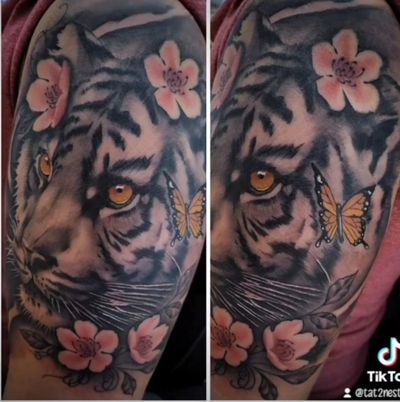
- Color versus black and grey. Color realism has to be packed properly to read the way the reference does, so the same area usually runs longer than the black and grey Chicano realism version of the same design. The hourly rate does not change. The hours do.
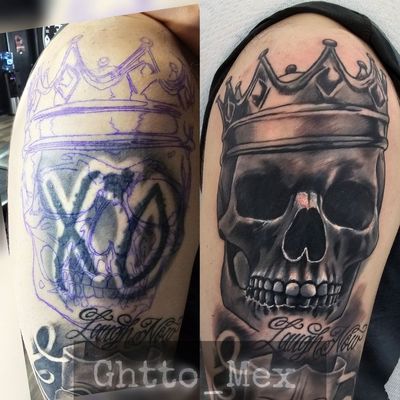
- Fresh skin or a cover-up. Covering old ink means driving more ink into the same space and designing around something that is already there, so cover-ups take longer than a fresh piece of the same size. Always.
- How many sittings. Two four hour sittings cost what eight hours cost. Nobody gets a discount for splitting it up, and nobody gets punished for it either.
Why I will not quote from a description alone
Because a description does not contain the two things that set the price: how big it is and where it goes. "A rose on my arm" and "a rose on my ribs" are not the same tattoo and are not the same money.
Send me four things and you get a real figure back instead of a range:
- A reference image, or two or three. Screenshots are fine. They do not have to be tattoos.
- The placement, with a photo of the actual spot taken in daylight. Your arm, not a diagram.
- A rough size in inches. Hold a tape against yourself and tell me the honest measurement.
- Black and grey or color.
For a cover-up, add a clear daylight photo of what is already on you, no filter and no flash. I can usually tell you inside a day whether it works, what it would have to become, and whether it needs fading first. The long version of that conversation is in can any tattoo be covered up.
Large work is sold by the sitting, not by the piece
You get the session count before you book, not after. That is what people are really asking when they ask what a sleeve costs, and it is a fair question to expect a straight answer to.
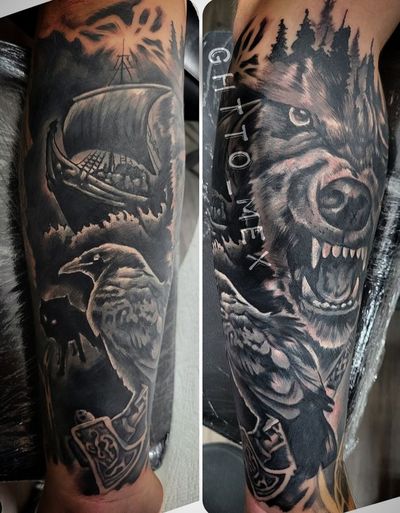
A sleeve is not a purchase, it is a project. We agree on the design, I tell you roughly how many sittings it takes at the length you can actually sit for, and you book them out. Each sitting is billed at the hourly rate. The deposit comes off the last one. If we finish faster than I estimated, you pay for the hours you sat, not the hours I guessed.
People pay for large work the same way they pay for anything else that takes months. A sitting at a time, spaced out, on a schedule that fits their money. I would rather build a good sleeve over eight months than rush a mediocre one into three.
The cheapest quote around here is usually the most expensive tattoo you will ever own
This is the part I want you to actually read. A tattoo you regret does not stay at the price you paid for it, because the fix costs more than the original did and the original is already gone.
Run the arithmetic on a bargain piece that goes wrong. You pay for the first tattoo. Then you pay for laser sessions to fade it, spread over months, which is money spent before a needle ever touches you again. Then you pay for a cover-up that has to be larger and darker than the tattoo you actually wanted, because it is now solving a problem instead of being a design. Three bills, months of waiting, and you live with your second choice. I wrote about when fading is worth it in laser fading before a cover-up.
Cheap ink also fails in ways you do not see for a year or two. Lines spread faster than they should. Black packed too heavy goes patchy. Gray wash that was rushed drops out and leaves the piece flat. I see all three of those in my chair, and they usually arrive attached to a story about a deal somebody got.
So when a shop quotes you a fraction of what everyone else quotes, treat it as information. Ask how many hours that number assumes.
Deposits, dates and what I expect from you
A deposit holds your date and comes off your total. It is not a booking fee, it is not extra, and it is not a way to collect money twice. It pays for the drawing that happens before you show up, which is work whether you sit or not.
Give me real notice if you need to move a date and the deposit moves with it. Cancel the morning of or do not show, and the deposit stays with me, because the drawing was already done and the chair sat empty. The current rates live on the pricing page.
Two other things to know before you ask for a figure. You have to be 18, no exceptions, and Illinois law does not allow a parent to consent on your behalf, so bring a government-issued photo ID. And come in fed and rested for a long sitting, because somebody who taps out at hour two has paid for two hours and still leaves with an unfinished piece and another date to book.
What to do with all of this
Decide what you want, measure the spot, and send it in. Look through the gallery first and pull out two or three pieces that are close to the thing in your head, because showing me is faster than describing it.
I have been doing this a long time and I will tell you when an idea does not work at the size or the placement you picked. That conversation is free and it happens before you pay anything. When you are ready, send your idea or call the shop at (708) 770-2754, Monday through Saturday, noon to seven.
Quality takes time. Excellence takes experience. And neither comes cheap. I am not the artist for bargain hunters.
Quick answers
How much does a tattoo cost in Chicago's south suburbs?
At my shop in Chicago Ridge the rate is $150 an hour for large and ongoing work. Small pieces are quoted as a flat price with a shop minimum, because a two inch tattoo takes more setup than needle time.
Is the deposit added to the price of the tattoo?
No. The deposit comes off your total, never on top of it. It pays for the drawing time that happens before you sit down, which is work whether you show up or not.
Why will you not give me a price from a text description?
Because size and placement move the price more than the subject does. A rose on a forearm and the same rose on the ribs are not the same tattoo. Send a reference image, a daylight photo of the spot, a rough size in inches, and whether you want color or black and grey.
Does color cost more than black and grey?
The hourly rate is the same. Color usually takes longer for the same area because the blends have to be packed properly, so a color piece often runs more sittings than the black and grey version of the same design.
How do you charge for a sleeve or other multi-session work?
By the sitting, at the hourly rate, and you get the session count before you book rather than after. The deposit comes off the last sitting, and if we finish faster than estimated you pay for the hours you actually sat.